
Knowledge / Building services
Water damage in the building: first steps, leak detection, insurance
When water escapes, acting quickly matters. Here you find out what to do at once, how a leak is found and which insurance pays for what.
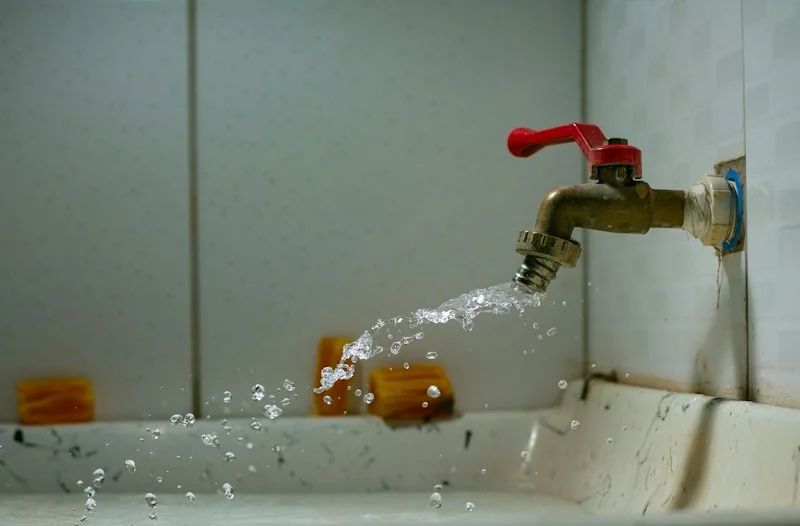
Act at once
The first minutes decide how large the damage will be.
- Shut off the water supply, if in doubt at the main stopcock.
- Only switch off affected circuits if the fuse box is dry and safely accessible. Do not enter flooded areas where there could be a risk of electric shock. In acute danger, call the fire brigade on 112.
- Document the damage with photos and keep damaged parts.
- Inform the manager and affected neighbours immediately, especially the apartments below.
- As a tenant, report the damage to your landlord without delay.
Every owner may take the measures needed to avert imminent damage (§ 18 (3) WEG). Repairs and other orders concerning the common property, on the other hand, should go through the manager. If possible, do not alter the damaged area until the insurer has agreed. Emergency measures to limit the damage are the exception and are always permitted.
Finding the leak without tearing everything open
Leak detection means locating leaks in pipes or building components in a targeted way. Specialist firms use acoustics, thermography, tracer gas or moisture measurement. The aim is to find the leak quickly and with as little damage as possible, so that consequential damage and costs stay low. Many buildings insurance policies cover the cost of leak detection, but often only up to a certain maximum.
Which insurance pays
Damage to the building caused by escaping tap water is usually borne by the association’s buildings insurance, provided this peril is covered. This also applies if the damage is inside an apartment. What exactly is covered depends on the policy conditions. Damage caused by heavy rain, backflow or groundwater, for example, does not count as tap water damage. It is only covered by natural hazards insurance.
Furniture and personal belongings are covered by the residents’ contents insurance. If someone caused the damage, for example with an overflowing bathtub, their personal liability insurance may also pay for damage to third parties.
Important: damage must be reported to the insurer without delay, and everyone involved must help keep the damage small. Anyone who breaches these obligations risks the insurer reducing its payment. The manager reports the damage to the buildings insurer.
Who bears the deductible
According to the case law of the Federal Court of Justice (BGH), an agreed deductible is generally shared among all owners like other common costs, even if the damage only affects one apartment. The association can resolve a different allocation for future damage (§ 16 (2) sentence 2 WEG).
Preventing damage
If tap water damage keeps recurring, the premium rises or the insurer cancels the policy. With older pipe networks, a survey and a refurbishment plan are therefore worthwhile before the next damage occurs.
This article provides general information and does not replace legal advice in an individual case. We are happy to advise you personally on your property.